Local processing
About 21% of the Ivorian crop was processed in the country in 2023. Reaching the 50% target requires a steady, documented supply to factories.
Côte d'Ivoire is the world's largest producer of raw cashew nuts, yet most of it is still exported unprocessed. Sankora helps cooperatives, exporters and factories secure a quality supply, verify the price paid to farmers and rejuvenate orchards.
Côte d'Ivoire has been the world's largest producer of raw cashew nuts since 2015. Its output exceeded one million tonnes in 2022 and 2023.
The crop supports many households in the north and centre of the country. Each season, the Cotton and Cashew Council sets a minimum farm-gate price and licenses buyers and exporters.
West Africa still exports most of its raw nuts to Vietnam and India. Côte d'Ivoire aims to process half of its output locally by 2027, creating factory jobs, mostly held by women.
Africa grows most of the world's raw cashew nuts, mainly in West Africa. Tanzania is the leading producer in East Africa.
 Côte d'IvoireWorld's largest producer, local processing rising fast.
 TanzaniaEast Africa's major producer, with regulated auctions.
 NigeriaWest Africa's second producer according to N'kalô (2023).
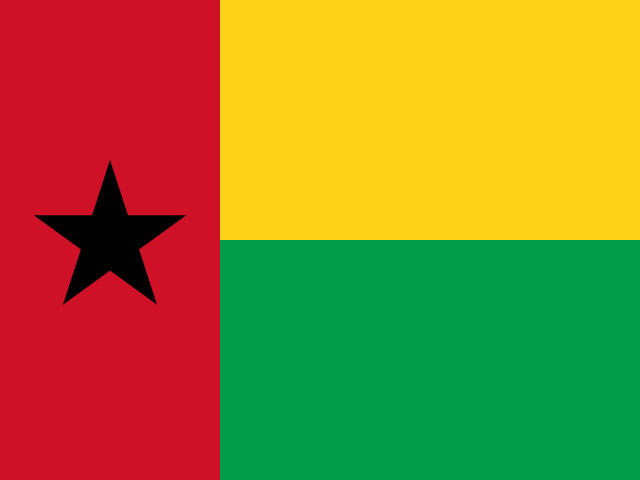 Guinea-BissauEconomy highly dependent on raw nut exports.
 BeninSignificant producer, local processing still limited.
 GhanaGrowing output, partly in the transition zone.
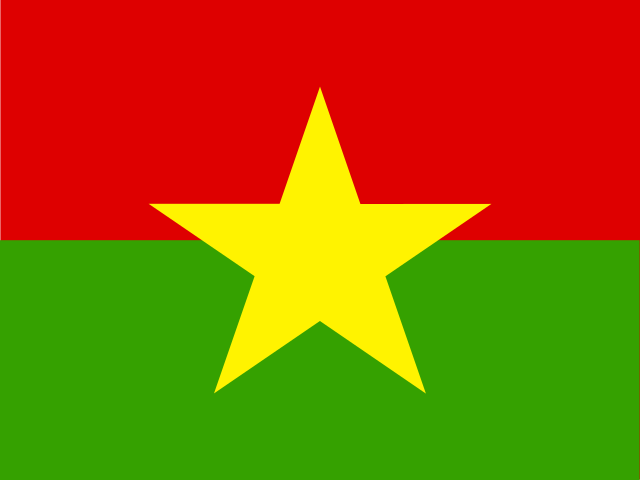 Burkina FasoSahelian producer with a few processing plants.
About 21% of the Ivorian crop was processed in the country in 2023. Reaching the 50% target requires a steady, documented supply to factories.
Quality depends on drying, storage and origin. Nuts from neighbouring countries sometimes enter local channels, which concerns the regulator.
The minimum price set each season must actually reach farmers. Without recorded weighings and payments, this is hard to verify.
Many cashew orchards were planted too densely, from ungraded nuts, and are ageing. Their yields are falling while factory demand is rising.
Nearly 84% of West African output is exported, mainly to Vietnam and India. Most of the added value stays outside the continent.
Kernel brands increasingly ask about the origin, social conditions and environmental impact of their supply.
Controlled kernel outturn and moisture, homogeneous lots, food safety of kernels, compliance with the prices and licences set by the Cotton and Cashew Council, and increasingly the origin and social conditions that large buyers ask for.
Technology does not solve everything. Here is what Sankora can practically put in place in this value chain, with simple, reliable tools, to know the field better, track actions and prove results.
Kernel outturn (KOR) and moisture are recorded at purchase and linked to the lot. The processing plant knows what it buys before loading.
Each purchase records the farm-gate price actually paid, comparable with the official floor price. Cooperative and buyer can prove it, purchase by purchase.
Volumes bought per area and stocks are visible every day: processors know what is coming and plan their production weeks.
Even outside the EUDR, buyers ask for origin. The register links each lot to its farmers and their orchards.