Deforestation
In 2019 the World Bank identified cocoa as the main direct driver of deforestation in Côte d'Ivoire. Part of the crop came from classified forests or protected areas. The EUDR now requires proof of no deforestation after 2020.
Côte d'Ivoire grows about 40% of the world's cocoa, yet its farms are ageing and its farmers remain among the poorest in the country. Sankora puts data to work for farm renewal, household income and child protection, as well as EUDR compliance.
Africa supplies nearly three quarters of the world's cocoa. Côte d'Ivoire is the leading producer and exporter of cocoa beans, well ahead of Ghana.
In Côte d'Ivoire, cocoa supports about one million households, close to five million people according to the World Bank (2019). It weighs heavily in the country's GDP and export earnings.
The Coffee-Cocoa Council has registered close to one million farmers and issues them a producer card. The sector is organised around cooperatives, which collect, pay farmers and supply exporters.
African production is concentrated around the Gulf of Guinea. Four countries supply most of the continent's volume.
 Côte d'IvoireWorld's leading cocoa bean producer and exporter.
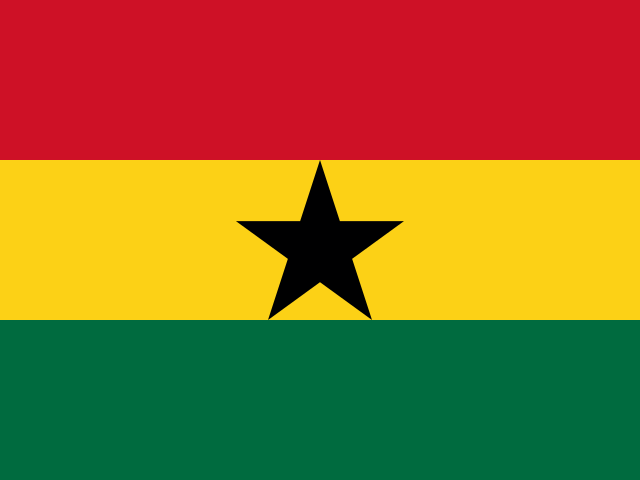 GhanaWorld's second producer, sector managed by Cocobod.
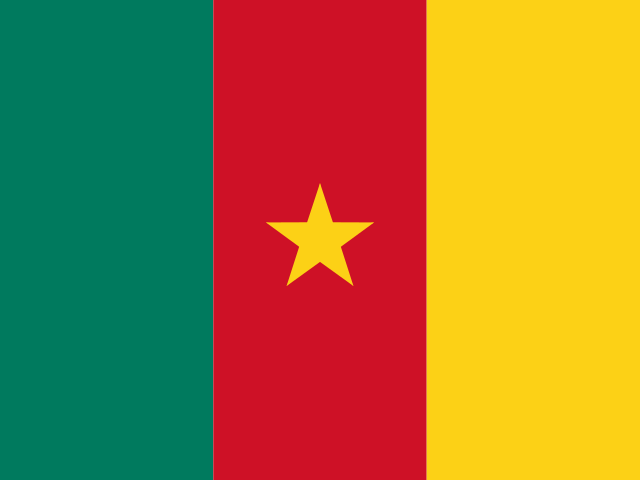 CameroonAmong Africa's leading producers, alongside Nigeria.
 NigeriaOutput comparable to Cameroon's according to ICCO.
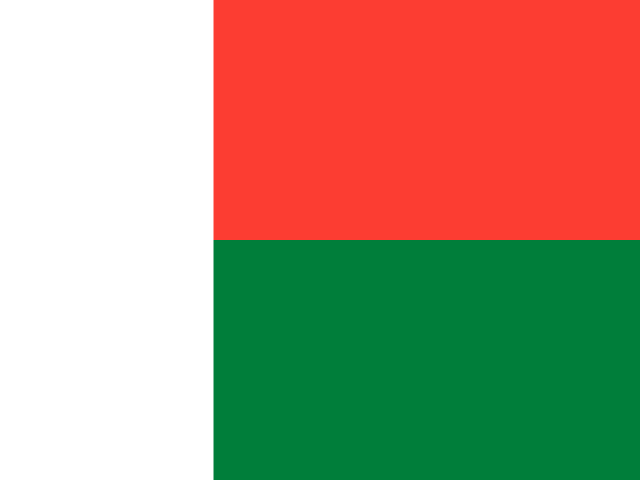 MadagascarSmall volumes, known for fine flavour cocoa.
In 2019 the World Bank identified cocoa as the main direct driver of deforestation in Côte d'Ivoire. Part of the crop came from classified forests or protected areas. The EUDR now requires proof of no deforestation after 2020.
The NORC survey estimated that 1.56 million children were in child labour in cocoa-growing areas of Côte d'Ivoire and Ghana (2018/19). Most were exposed to hazardous work. Buyers and programmes expect credible case monitoring and remediation.
Cocoa farmers are among the poorest households in the country. Living income programmes often lack reliable data to see which households are progressing and which are falling behind.
Many plantations are past their productive age and yields are flat. Programmes distribute seedlings but rarely know how many survived and are producing.
Swollen shoot disease spreads from plot to plot and forces farmers to cut down infected trees. Without a map of outbreaks, the response often comes too late.
Cocoa grown in full sun depletes soils and suffers more from drought. Buyers and programmes are pushing for agroforestry, which is still poorly measured in the field.
Well-fermented, dry, quality beans, traceability to the cooperative and increasingly to the plot, action against child labour, better farmer income and certifications such as Rainforest Alliance or Fairtrade. Europe adds the EUDR: no deforestation, proven by plot geolocation.
Technology does not solve everything. Here is what Sankora can practically put in place in this value chain, with simple, reliable tools, to know the field better, track actions and prove results.
Members' plots are imported, checked and analysed by satellite. Every lot sold is linked to compliant plots and leaves with its due diligence file.
Field officers run household surveys on their phones, even offline. Each case is classified, assigned and followed until the child exits; buyers receive anonymised figures.
Each weighing is linked to the farmer and the plot, each cash or mobile money payment is recorded. Sustainability premiums reach the farmer, and you can prove it.
Using plantation age and delivered volumes, the cooperative spots the plots to renew first, then tracks seedling distribution and survival.